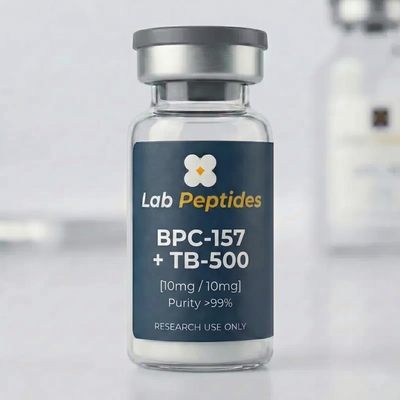
TB-500 and BPC-157: Why Researchers Are Studying Their Synergy
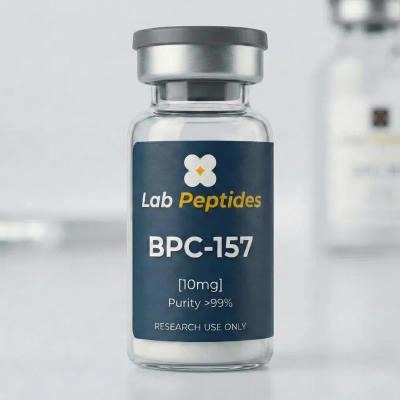
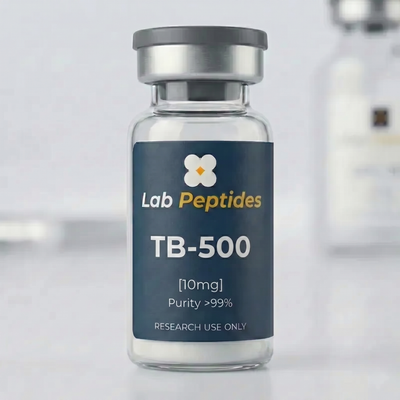
TB-500 (a fragment of Thymosin Beta-4) and BPC-157 (Body Protection Compound) are two peptides that are generating growing interest in tissue repair research.
COMPLEMENTARY MECHANISMS OF ACTION
BPC-157, isolated from human gastric juice, is thought to promote:
- Fibroblast activity
- Collagen synthesis
- Angiogenesis via the VEGFR2-Akt-eNOS pathway
TB-500, a synthetic peptide derived from thymosin β4, is thought to act on:
- Progenitor cell differentiation
- Vascular growth
- Cell migration
WHAT THE RESEARCH SAYS
A systematic review published in 2025 in PMC analyzed 36 studies (1993-2024) on BPC-157. Animal models show improved healing of muscles, tendons, ligaments and bones.
A preliminary human study reports that 7 out of 12 patients with chronic knee pain experienced relief for more than 6 months after a BPC-157 injection.
IMPORTANT LIMITATIONS
These peptides are not FDA-approved for therapeutic use. In 2023, BPC-157 was classified as "Category 2," meaning it cannot be prepared by commercial compounding pharmacies.
Large-scale human studies are still lacking. These compounds remain research tools, not validated treatments.