Research & Innovation Published on January 15, 2025

BPC-157: What Scientific Studies Really Say
1 min read
Cover image: BPC-157: What Scientific Studies Really Say

Discovered in the 1990s by a Croatian team led by Prof. Predrag Sikiric, BPC-157 (Body Protection Compound) is a 15 amino acid fragment isolated from human gastric juice. To date, over 100 studies on animal models have been published in peer-reviewed journals.

Preclinical results are promising. A study published in the Journal of Orthopaedic Research (Staresinic et al., 2003) showed significant acceleration of tendon healing in rats. Other work suggests a role in gastric protection and wound healing.

It is important to note that no Phase III clinical trials have been conducted in humans to date. BPC-157 remains an in vitro and in vivo research tool, not an approved drug.

For research laboratories, this peptide offers a fascinating field of investigation into tissue repair mechanisms involving the NO pathway and angiogenesis.
Related products

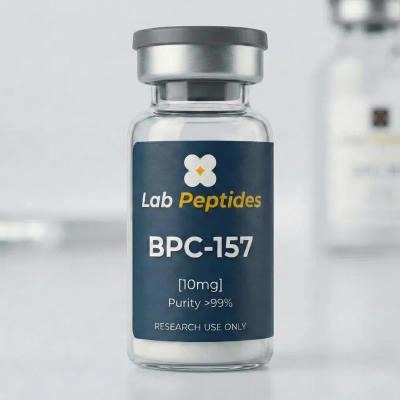
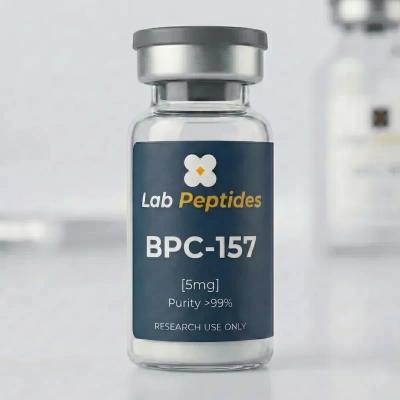
BPC-157

BPC-157

10mg
33,00 €
BPC-157

BPC-157

5mg
20,00 €
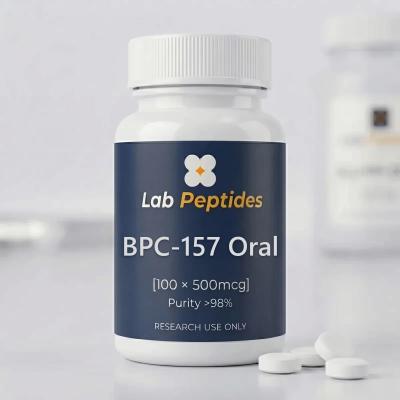
BPC-157 Oral

BPC-157 Oral

100 × 500mcg
129,00 €
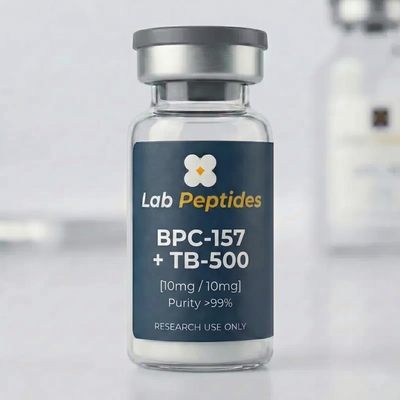
BPC-157 + TB-500

BPC-157 + TB-500

10mg + 10mg
59,00 €

Similar articles

SS-31 (elamipretide): the peptide that targets the mitochondrion directly
Research & Innovation

SS-31 (elamipretide): the peptide that targets the mitochondrion directly

July 18, 2026
Oral peptides in research: bioavailability changes the game
Research & Innovation

Oral peptides in research: bioavailability changes the game

July 18, 2026
BPC-157 vs TB-500: the 2026 research peptide comparison for tissue regeneration and repair
Research & Innovation

BPC-157 vs TB-500: the 2026 research peptide comparison for tissue regeneration and repair

April 24, 2026
GHRH vs GHRP: the 2026 research peptide comparison for growth hormone secretagogues
Research & Innovation

GHRH vs GHRP: the 2026 research peptide comparison for growth hormone secretagogues

April 24, 2026
Verified sources
Scientific content
Written by experts